

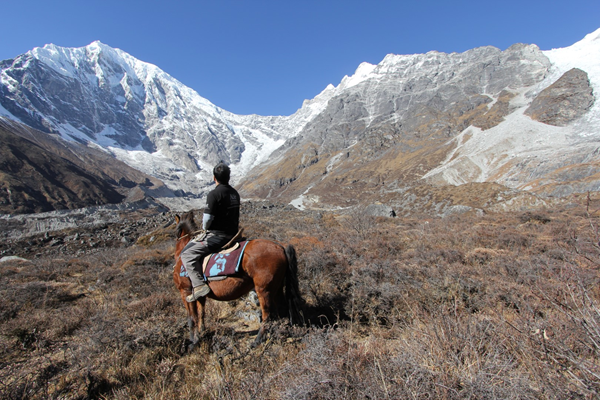
Planning a trek in the mesmerizing Langtang Valley of Nepal is an adventure like no other. Known for its breathtaking scenery, rich culture, and friendly locals, this region attracts trekkers from all over the world.
However, to ensure that your experience is both enjoyable and safe, proper preparation is crucial. One of the most important aspects of your preparation is creating an effective packing list.
In this blog, we’ll walk you through the essential items you need to pack for your Langtang Trek, why each item is necessary, and some handy tips to make packing a breeze.
Why a Packing List is Necessary
A well-thought-out packing list is your best ally when preparing for any trek. It helps you avoid overpacking, ensures you don’t forget essential items, and allows you to travel more efficiently.
In the Langtang region, the weather can be unpredictable, and altitudes can vary significantly, making it crucial to be prepared for different conditions.
Moreover, because some items may be challenging to find or more expensive in the region, having everything you need from the start will keep your journey stress-free.
Comprehensive Packing List for Langtang Valley Trek
1. Trekking Gear
- Trekking Boots
Sturdy, waterproof boots with good ankle support are essential. Break them in before your trek to avoid blisters.
- Trekking Poles
These provide stability and help reduce strain on your knees, especially during steep descents.
- Backpack
A comfortable daypack (20-30 liters) for daily hikes and a larger backpack (50-70 liters) for carrying gear. - Sleeping Bag
A lightweight, compact sleeping bag rated for at least -10°C (14°F) will keep you warm at higher altitudes.
2. Clothing
- Base Layers
Moisture-wicking tops and bottoms for layering. Avoid cotton as it retains moisture.
- Insulating Layer
A fleece jacket or down vest to provide warmth during colder temperatures.
- Outer Layer
A waterproof and windproof jacket to protect against rain and wind.
- Trekking Pants
Lightweight, breathable, and quick-drying pants. Convertible pants are a great option.
- Socks
Wool or synthetic trekking socks; pack several pairs to keep your feet dry and warm. - Hat and Gloves
A warm beanie and gloves for colder evenings or high-altitude hikes.
3. Accessories
- Sunglasses
UV protection is essential at higher altitudes where sunlight intensity increases. - Headlamp or Flashlight
A reliable light source for nighttime use, especially in tea houses.
- Buff or Neck Gaiter
Protects against sun, wind, and dust while keeping you warm.
4. Personal Items
- First Aid Kit
Include essentials like adhesive bandages, antiseptic wipes, pain relievers, and altitude sickness medication.
- Toiletries
Biodegradable soap, toothbrush, toothpaste, and any personal hygiene products. Consider a quick-dry towel. - Water Purification System
A portable filter or purification tablets to ensure safe drinking water along the trail.
- Snacks
Energy bars, nuts, and dried fruits for quick energy during the trek.
5. Technology and Documents
- Camera or Smartphone
Capture the stunning landscapes and unforgettable moments.
- Power Bank
Keep your devices charged, especially in areas with limited power supply.
- Travel Insurance Documents
Carry a copy of your travel insurance, ensuring it covers trekking at high altitudes.
- Trekking Permit
Don’t forget your Langtang National Park permit, which is required for trekking in the area.
Packing Tips for a Successful Trek
- Pack Light: Aim to pack only what you need. A good rule of thumb is to carry around 10% of your body weight in your backpack.
- Use Packing Cubes: Organize your gear with packing cubes or compression sacks. This makes it easier to find what you need without unpacking everything.
- Roll Your Clothes: Rolling instead of folding clothes can save space and reduce wrinkles.
- Waterproof Your Gear: Use dry bags or zip-lock bags for electronics and sensitive items to keep them dry.
- Test Your Gear: Before you leave, take your gear for a short hike to ensure everything is comfortable and functional.
Conclusion
Preparing for your Langtang Valley Trek requires careful consideration of what to pack. By following this comprehensive packing list and incorporating the tips provided, you can ensure that you’re well-equipped for the adventure ahead.
A little preparation goes a long way in enhancing your trekking experience, allowing you to focus on the stunning beauty and rich culture that the Langtang region has to offer. Happy trekking, and may your journey be filled with unforgettable moments in the heart of the Himalayas!