

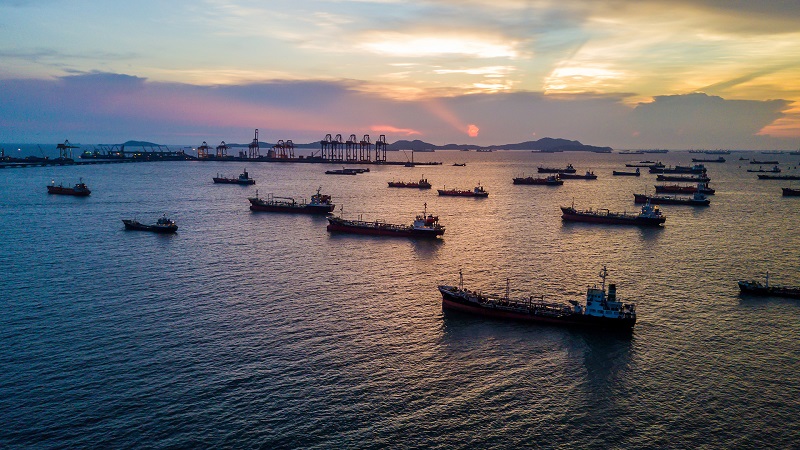
Global trade moves the world every day. Shipping routes connect continents and deliver goods. Today, these routes face serious threats that cannot be ignored. Climate change is reshaping seas and coasts. Piracy remains active in many key regions. Logistics face delays due to unpredictable weather patterns. Companies now seek new ways to protect cargo. Building resilient systems is no longer optional. Innovation must match the pace of emerging risks. Sustainable solutions are crucial for future trade. They offer lessons for resilient design in shipping networks.
Climate Change and Shipping Challenges
Rising sea levels affect ports everywhere. Extreme storms damage docks and ships. Melting ice opens new Arctic routes. These routes are faster but risky. Temperature changes disrupt traditional schedules often. Shipping companies must invest in better planning. Therefore, vessels must handle rough seas and higher waves. Infrastructure provides guidance. Durable construction can withstand unpredictable forces. The future of shipping will rely on adaptation and careful design. Innovation in vessel engineering supports safe passage through changing waters.
Piracy and Security Threats
Piracy threatens crews and cargo constantly. Choke points are especially dangerous areas. Ships can be hijacked for ransom. Insurance costs rise due to these threats. Monitoring systems improve detection at sea. Maritime patrols help secure vulnerable routes. major trade routes today now face frequent attacks. Therefore, collaboration between nations is key. Advanced technology helps monitor vessels and reduce incidents. Security investments are essential to maintain safe trade.
Logistical Hurdles and Supply Chain Risks
Port congestion causes delays for shipments. Weather disruptions interrupt planned schedules. Cargo handling can face mechanical failures. Large structures withstand harsh conditions with minimal damage. Companies explore alternate ports to reduce risk. Supply chain diversification spreads potential problems. Therefore, businesses avoid dependency on a single route. Planning and flexibility are necessary for smooth operations. Transportation must adapt to maintain reliable delivery times.
Innovations Driving Resilience
Green shipping technologies reduce environmental impact. Electric and hybrid ships lower fuel usage. Tracking and surveillance improve route safety. Autonomous systems monitor ships efficiently. Infrastructure improvements mirror durable designs. Companies invest in modular and strong structures for protection. Therefore, technology and innovation work together for stability. Resilient systems allow trade to continue during crises. Future trade networks will combine safety, efficiency, and sustainability.
Conclusion
Global trade faces climate and security pressures. Extreme weather and piracy challenge logistics daily. Companies respond with innovation and careful planning. Resilient trade routes ensure goods reach markets safely. The future requires sustainable solutions for a changing world. Innovation and adaptation are essential to navigate the storm.