

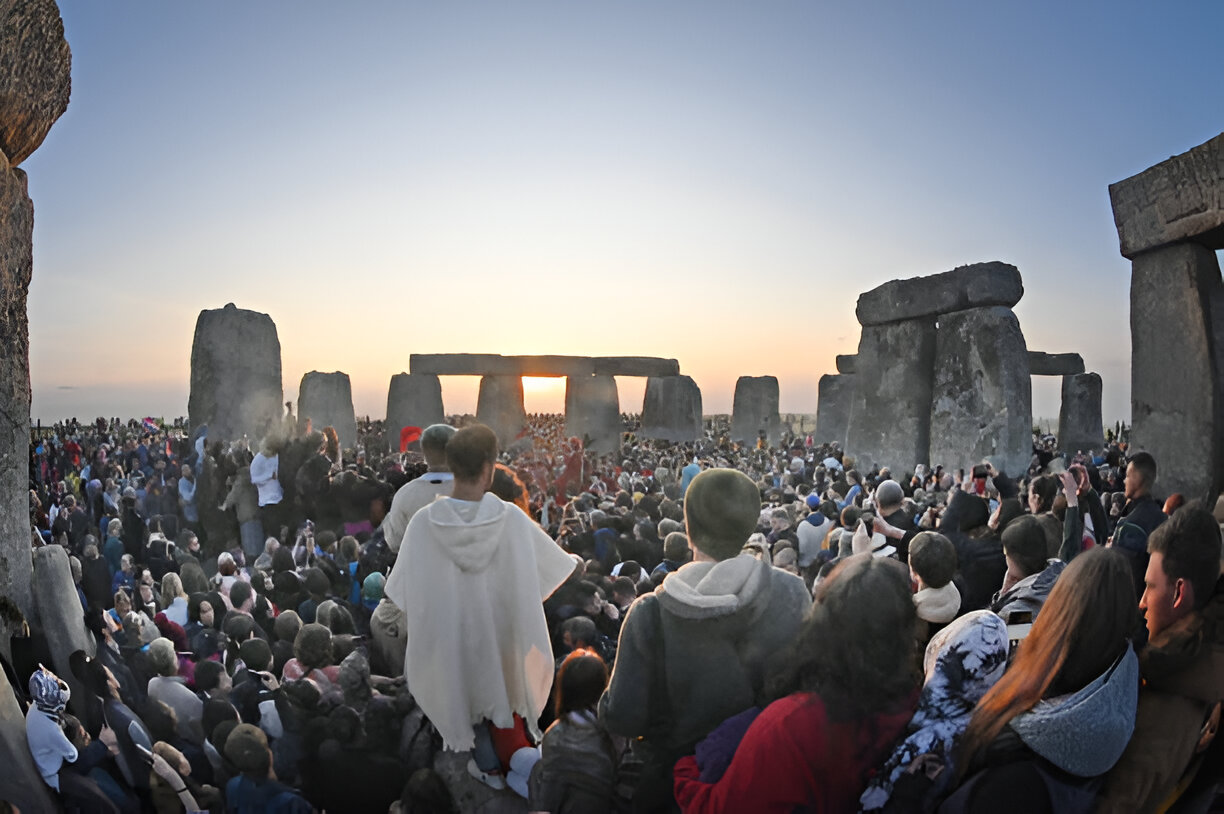
Among all ancient human creations, Stonehenge stands out as a recognisable yet mysterious ancient site located in southern England.
This prehistoric structure remains continuously popular among historians, archaeologists, and visitors who have experienced its journey from a sacred burial site to a global cultural landmark.
For anyone interested in learning more about the monument and its intriguing history, StonehengeVisit.co.uk/tours provides a detailed tour of this ancient wonder.
Early Beginnings: Before Stonehenge
Stonehenge’s history predates the stone circle we see today. Before its construction, the surrounding landscape was home to prehistoric monuments. Between 8500–7000 BC, large timber posts were erected, possibly designating the area as sacred.
These early structures contributed to a larger ceremonial landscape that laid the foundation for Stonehenge.
The region grew throughout time as more intricate structures were added, such as the causewayed enclosure at Robin Hood’s Ball and the cursus monuments, which served as the foundation for the renowned stone circle.

The First Monument and the Aubrey Holes
A major construction period at Stonehenge started in 3000 BC when people dug a circular ditch and built inner and outer banks to circle a space reaching 100 metres across.
Investigators inside the ditch dug up 56 openings termed Aubrey Holes that supposedly supported timber stakes and rocks.
Multiple cremation burials discovered at this henge site mark the start of Stonehenge becoming a burial location while making it one of the greatest cemeteries in Neolithic Britain.
The Iconic Stone Circle
Stonehenge achieved its magnificent configuration in 2500 BC by incorporating gigantic sarsen stones with smaller bluestones into several rings that formed a central horseshoe arrangement.
The site underwent multiple transformations, including the rearrangement of some stones and the creation of the earthwork Avenue linking the monument to the River Avon.
This layout served both aesthetic and practical purposes, acting as an astronomical calendar and a ceremonial centre, further solidifying Stonehenge’s significance in ancient culture.
Changes Through Time
As the centuries passed, Stonehenge’s purpose seemed to shift with changing societal practices. During the Bronze Age, burials with grave goods became common, marking the rise of individual status and power.
The surrounding landscape saw the creation of numerous barrows (burial mounds), particularly around King Barrow Ridge and Normanton Down, which continued the sacred significance of the area.
Over time, Stonehenge’s role in society would fluctuate, especially during periods like the Roman occupation, where it is believed the site was still visited for rituals.
Restoration and Preservation
Stonehenge evolved in the twentieth century into an emblem which united British individuals with their national heritage. After owning the monument locally, Cecil Chubb presented Stonehenge to the country in 1918.
Since it was donated to the nation in 1918, the National Trust and English Heritage have worked to safeguard Stonehenge and its surrounding areas.
Despite alterations to modern structures like roads and visitor centres, Stonehenge remains largely intact and continues to attract visitors from around the world, ensuring its legacy for future generations.
Conclusion
Stonehenge captivates with its mystery, spiritual significance, and rich history. From its beginnings as a timber circle to the iconic stone structure, it has evolved through millennia, offering visitors a unique journey through time that continues to inspire wonder.