

Cooking over an open fire is one of the most enjoyable parts of camping. The warmth of glowing flames, the aroma of freshly prepared food, and the opportunity to share meals outdoors create memorable experiences. Unlike conventional kitchen cooking, campfire cooking encourages simplicity, creativity, and a closer connection with nature.
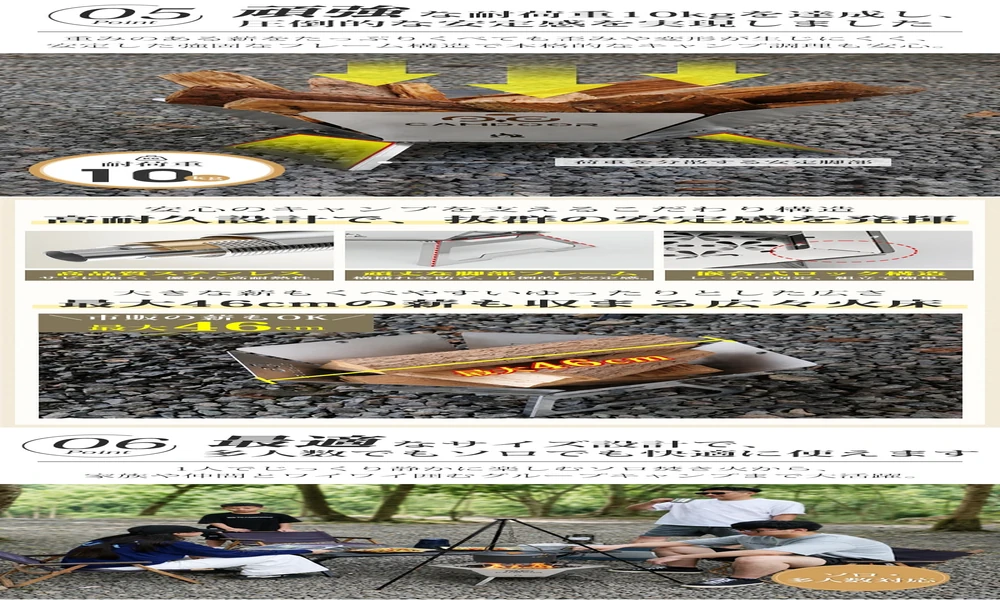
Whether planning a weekend getaway or a family camping trip, having the right equipment makes outdoor cooking more convenient. A portable キャンプ 焚き火 台 provides a dedicated space for building a controlled fire and preparing meals when used with suitable cooking accessories. With thoughtful preparation and basic safety practices, campers can enjoy delicious outdoor meals without carrying complicated equipment.
Why Campfire Cooking Makes Camping More Enjoyable
Campfire cooking offers something that ordinary kitchen appliances cannot fully replicate: the experience of preparing food in a natural outdoor environment.
Gathering around a fire encourages conversation, teamwork, and relaxation. Preparing meals together can become an enjoyable activity for families, friends, and camping enthusiasts.
Some key advantages include:
- Unique flavors: Cooking over wood embers can add distinctive smoky flavors.
- Outdoor experience: Preparing meals becomes part of the camping adventure.
- Simple equipment: Many recipes require only basic cookware and ingredients.
- Group activities: Cooking together creates opportunities for shared experiences.
- Versatility: A properly equipped fire pit can support grilling, roasting, and other outdoor cooking methods.
However, successful campfire cooking requires suitable equipment, careful planning, and responsible fire management.
Essential Equipment for Campfire Cooking
Portable Fire Pit
A portable fire pit provides an elevated structure for containing burning wood. Folding models are particularly convenient because they can be transported and stored without occupying excessive space.
Look for a stable construction, adequate ventilation, and practical ash collection features. For cooking, ensure the fire pit supports a compatible grill grate or cookware.
Heat-Resistant Cooking Tools
Long-handled tongs, metal skewers, and heat-resistant gloves make handling food near flames safer.
Cast-iron cookware and camping kettles can also be useful, provided the fire pit is designed to support their weight.
Firewood and Fire Starters
Dry, untreated firewood generally burns more consistently and produces less smoke than damp wood.
Use appropriate fire starters rather than gasoline or other highly flammable liquids. Always follow campsite rules concerning permitted fuels.
Simple Campfire Meals Worth Trying
Grilled Vegetables and Skewers
Vegetables such as bell peppers, mushrooms, onions, and zucchini are excellent choices for outdoor grilling.
Cut ingredients into evenly sized pieces, arrange them on suitable skewers, and cook over steady embers.
Turn frequently to encourage even cooking and prevent burning.
Foil-Packet Potatoes
Foil-packet potatoes are a convenient option for camping because they require minimal preparation.
Wrap sliced potatoes with a little oil and seasoning in food-safe foil. Place the packets over moderate heat using suitable cookware or a cooking grate.
Cook until tender, checking carefully to avoid burns from hot steam.
Campfire Breakfast
A simple breakfast can include eggs, toasted bread, and grilled vegetables.
Use a stable, appropriately supported camping pan and cook over controlled heat rather than tall flames.
Keep ingredients refrigerated when necessary and follow safe food-handling practices.
Practical Tips for Better Campfire Cooking
Cook Over Embers Instead of Large Flames
Large flames create uneven temperatures and can quickly burn food.
Allow the firewood to develop a steady bed of glowing embers before cooking. This provides more manageable heat for grilling and roasting.
Prepare Ingredients Before Leaving Home
Chop vegetables, measure seasonings, and organize ingredients in sealed containers before departure.
Preparation reduces cooking time and helps keep your campsite organized.
Keep Raw and Cooked Foods Separate
Use different utensils and containers for raw meat and ready-to-eat foods.
Keep perishable ingredients chilled and use a food thermometer to verify that meat reaches a safe internal temperature.
Campfire Safety and Environmental Responsibility
Campfire cooking requires constant attention to safety, particularly in dry or windy conditions.
Before lighting a fire, confirm that campfires are permitted at your campsite and check for local fire restrictions.
Follow these essential precautions:
- Place the fire pit on a stable, approved surface away from tents and flammable materials.
- Use a suitable heat-resistant ground protector where required.
- Keep children and pets at a safe distance.
- Never leave a burning fire unattended.
- Keep water or approved fire-extinguishing equipment nearby.
- Extinguish the fire completely and confirm that all ashes are cold before disposal.
Never use a fire pit inside a tent, vehicle, or enclosed shelter because of fire and carbon monoxide hazards.
Responsible campers should also avoid burning plastics, treated wood, or household waste.
Cleaning and Maintaining Your Fire Pit
Proper maintenance helps extend the lifespan of outdoor cooking equipment.
Allow the fire pit to cool completely before handling or cleaning it. Remove cold ashes according to campsite disposal rules and clean any cooking grates after use.
Inspect folding joints, supports, and metal surfaces for damage before each trip.
Store the equipment in a dry location to reduce corrosion and keep its carrying bag clean.
A well-maintained fire pit is easier to transport, assemble, and use during future camping adventures.
Conclusion
Campfire cooking transforms an ordinary camping meal into an enjoyable outdoor experience. From grilled vegetables and simple breakfasts to shared evening meals, preparing food around a fire brings people together and adds excitement to outdoor adventures.
With suitable equipment, organized ingredients, and careful fire management, campers can prepare satisfying meals while respecting the natural environment.
By following safe cooking practices and maintaining equipment properly, every camping trip can become an opportunity to create memorable meals and lasting outdoor experiences.