

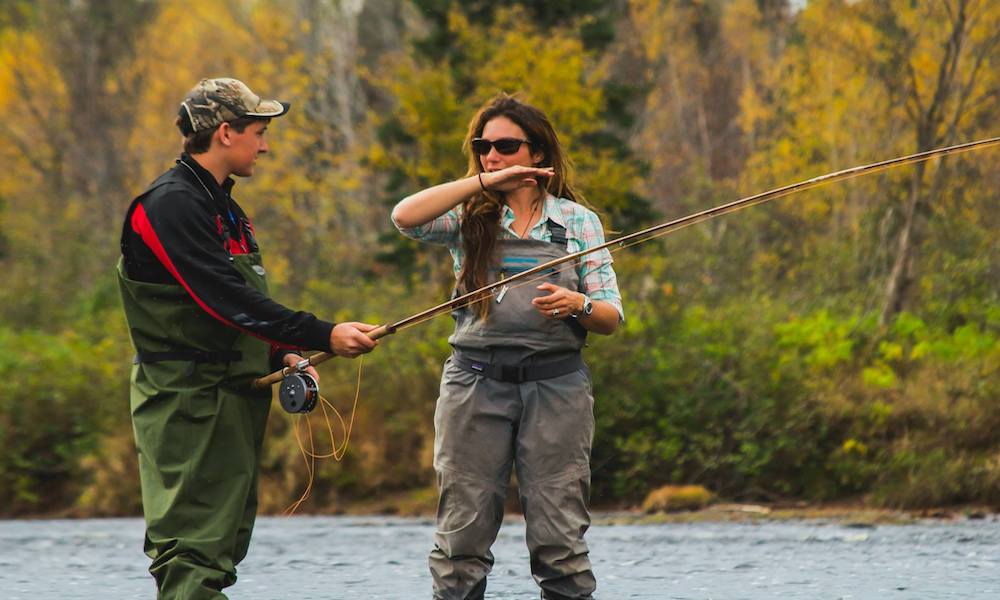
Fly fishing is a refined sport and a way to connect with nature. Though it may seem complex, beginners can succeed by focusing on essential principles and mastering the basics, which is key to progressing in this timeless activity. A thoughtful approach includes selecting appropriate equipment, developing patience, honing observational skills, and adopting a willingness to learn. Concentrating on just a few fundamental areas can help shorten the learning curve and guide new anglers toward lasting success on the water.
Invest in a Balanced, Entry-Level Setup
Selecting the right equipment is a critical starting point. Although fly fishing gear can seem intricate, high cost is not required for beginners. The priority is to select a balanced setup, where the rod, reel, and line correspond in weight and function in harmony for effective casting. Many reputable fly shops offer accessible and affordable introductory kits designed specifically for those new to the sport. A 9-foot, 5-weight rod is widely recognised as a flexible and dependable choice, suitable for trout and various other common freshwater species.
Focus on Mastering the Basic Cast
A well-executed cast forms the core of successful fly fishing. For those new to the sport, it is beneficial to concentrate on developing a smooth, controlled motion rather than attempting to achieve great casting distances from the outset. The basic overhead cast depends on rhythm and precise timing. Practising on open ground, away from water and without a hook, offers the opportunity to build proper muscle memory. Beginners often benefit from focusing on stopping the rod at the traditional 10 o’clock and 2 o’clock positions, ensuring the line has time to extend before changing direction.
Learn to Read the Water
Successful fly fishing requires locating areas where fish congregate, such as seams, deep pools, or undercut banks. Learning to interpret water speed, depth, and surface activity is essential for both effective fishing and greater enjoyment. Legendary angler Lefty Kreh was renowned for his ability to read water and find fish. By studying currents, depths, and surface disturbances, he gained a deep understanding of aquatic ecosystems and fish behaviour, making him one of the most respected figures in the sport.
Start with a Few Versatile Flies
The vast array of available fly patterns can be daunting for those starting out. For beginners, it is most productive to focus on a concise selection of proven, versatile patterns. Mastering a few well-chosen flies is often more effective than amassing a large collection. Reliable starting options might include dry flies such as the Adams or Elk Hair Caddis, nymphs like the Hare’s Ear or Pheasant Tail, and streamers such as the Woolly Bugger. These flies imitate an extensive range of prey and are effective in many waters.
Practice Patience and Cultivate Observation
Fly fishing requires a sense of patience and a willingness to learn from each outing. There will inevitably be times when the fish are unresponsive or casts prove challenging. Rather than becoming discouraged, anglers can use quieter periods on the water to observe natural patterns. Paying attention to insect activity, signs of feeding fish, and water movement contributes to developing an intuitive sense for the sport. The cultivation of this habit distinguishes effective anglers from those who simply cast without reflection.
Stephen Gleave Ancaster exemplifies the principles of patience and keen observation in his work, principles that also underpin success for new fly fishing enthusiasts. Stephen Gleave Ancaster stays active and connected to nature, running 30-40 miles a week and fly fishing on the Saugeen River. To become a skilled fly fisher, beginners should focus on five key areas: investing in balanced gear, mastering the basic cast, learning to read the water, using a few reliable flies, and being patient. Mastering these fundamentals provides a solid foundation for enjoying the sport long-term.